CBT for Addiction
CBT is a structured, evidence-based talking therapy that helps you understand the connection between your thoughts, feelings, and behaviour around substance use and abuse. We work with you to identify what is keeping the cycle going, and to build the practical tools to change it, one session at a time.
ONLINE SESSIONS
IN-PERSON SESSIONS
PHONE SESSIONS
Disclaimer: The information on this page is for general guidance only and does not constitute medical advice. CBT at The Talking Rooms is an outpatient therapy service and is not a substitute for medical detox or crisis care. If you require support with withdrawal, please speak with your GP.
What Is CBT for Addiction and Will It Help Me?
Addiction rarely feels like a choice. Most of the time, substance use begins as a way of managing a difficult situation or emotion. A way to wind down, to feel less, to get through the day. Over time, the behaviour becomes routine, and the thoughts that drive it become harder to see, let alone question.
Scotland has one of the highest rates of substance abuse and drug-related harm in Europe. According to Public Health Scotland, there were an estimated 43,400 people with opioid dependence in Scotland in 2023/24. Alcoholism tells a similar story. In 2024, Scotland recorded 22.6 alcohol-specific deaths per 100,000 people, higher than any other UK nation.
Behind every statistic is a person, and research also shows that things can change. Cognitive behavioural therapy for addiction is one of the most extensively studied approaches in psychological treatment. Reaching out is often the hardest part. If you are drinking more than you planned to, using substances to get through the day, or caught in a cycle with gambling that feels impossible to break, you are not alone.
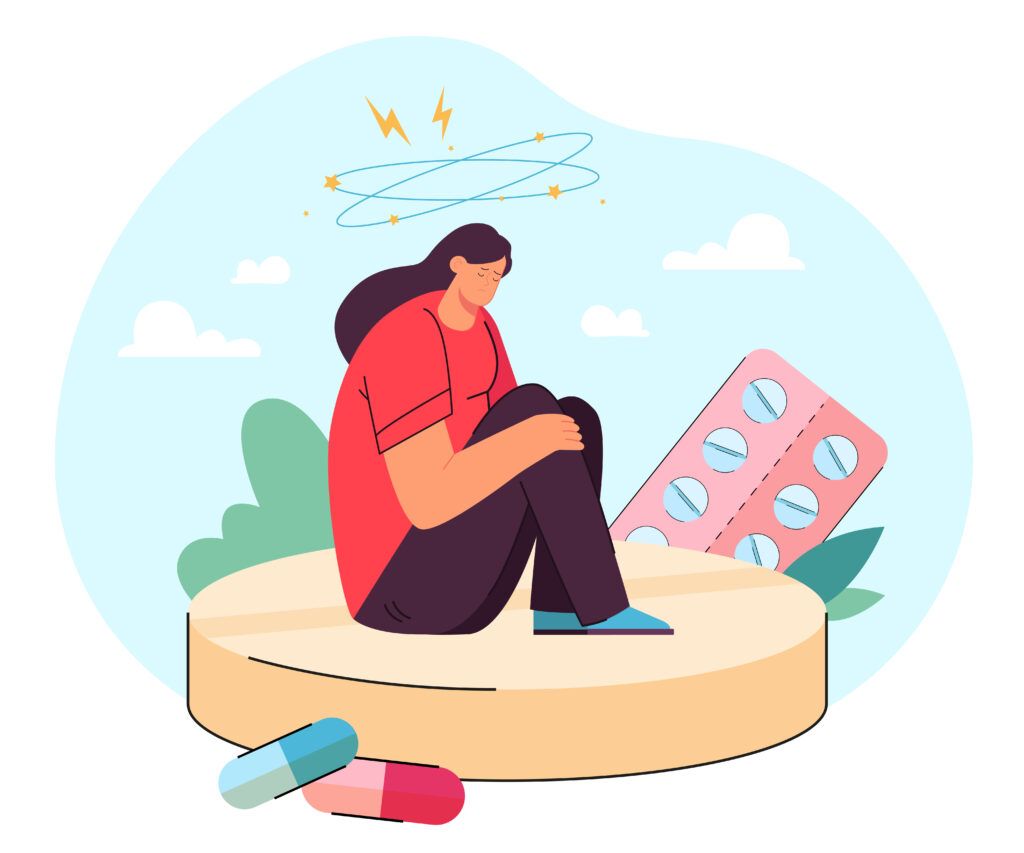
CBT works well for a wide range of addictions. Gambling addiction, in particular, responds well to this kind of structured, practical support. Whether it is online betting, slots, or any other form, the thinking patterns that drive it tend to follow a familiar cycle. That is what CBT is designed to interrupt. The same is true for drug or alcohol use and other compulsive behaviours that have quietly taken up more space than you would like.
A review of multiple studies found that people who engaged in CBT for addiction saw meaningful reductions in their substance use, and those changes tended to stick well beyond the end of therapy.
CBT for addiction works by identifying harmful thought patterns and emotional triggers that keep the cycle going, not just the substance or behaviour itself. Rather than asking how to stop, it starts with what healthier coping strategies could replace it. Understanding is often where real change begins.
What We Help With
CBT for addiction gives you the knowledge, skills, and coping strategies to recognise unhelpful patterns of thinking and change the behaviours connected to them. Some of our therapists at The Talking Rooms are accredited by BABCP, BACP, or COSCA, and they work with you at your own pace, without judgement or pressure.
If you are struggling with any of the following and would like to explore addiction treatment support, please book a free consultation. We aim to see new clients within five working days of referral.

Alcohol dependency

Addiction alongside grief

Cannabis use

Cocaine and stimulants

Gambling addiction

Self-medicating anxiety

Stress and trauma

Low self-esteem

Compulsive behaviours

Other drug abuse
Real Stories. Real Support.

Tracey made me feel so at ease. She has a very calming voice and after even my first session I was feeling that little bit better. By the last session, I was pretty gutted because I had started to look forward to the hour and picking apart my thoughts and feelings from the past week. This is the sign of a very good counsellor. Thank you ☺️
Ace
Google Review
Welcome to The Talking Rooms
When you are struggling with addiction, you want more than just another service. You want to feel heard from the very first contact and to know that the person on the other end of the phone genuinely understands. At The Talking Rooms, we have supported more than 5,000 clients since 2019, from our clinics in Glasgow and East Kilbride and online sessions across the UK.
We offer:
- Fast access to appointments
- Flexible therapy sessions
- Safe and confidential
Alongside CBT, we also offer a range of addiction therapies like integrative person-centred counselling, which is a less structured approach that lets you lead the conversation. Your therapist will talk through which feels like the better fit during your initial consultation.
Why Choose Cognitive Behavioural Therapy?

Unlike approaches that focus on willpower alone, CBT works by addressing the thinking patterns that drive addictive behaviour in the first place. Rooted in CBT principles, it is structured and practical, focusing on what is happening right now. We will look into which negative emotions or negative thoughts are showing up, what situations feel most risky, and what skills can help you respond differently.
NICE recommends CBT as part of a structured psychological programme for substance use disorders. Most clients attend between 6 and 20 sessions, and many begin to notice shifts in the first few weeks. Individual responses vary, and your therapist will review progress and adjust treatment strategies with you throughout the process.
England’s most recent treatment data shows that 169,542 adults entered drug and alcohol treatment in 2024 to 2025, the highest figure on record. Seeking support takes courage. You are not alone in this, and taking the step of reaching out matters more than any other.
Support and Addiction Recovery
Many people come to us having carried something quietly for a very long time, sometimes for years. Shame is one of the reasons people wait. It is also one of the things that CBT addresses most directly, because the beliefs underneath the shame are often where the work begins.
You do not need to have hit a particular low point before you ask for help. Whether you are dealing with alcohol use, drugs, or a pattern of behaviour you cannot seem to shift on your own. Our cognitive behavioural therapists are here to walk alongside you. You deserve that support, and we are here when you are ready.
Crisis Service
Please note we operate Monday to Friday, 9 am to 5 pm, and we are not classified as a crisis service. If you feel that your life or someone else’s life is in crisis, then please contact one of these leading crisis organisations. If you are in crisis, please contact the Samaritans on 116 123 (free, 24/7) or call NHS 24 on 111 or call 999 in an emergency.


How CBT Works for Addiction Recovery
You can expect to be treated with complete confidentiality from the moment you get in touch. Every session is unique and treated with the utmost compassion. The relationship between you and your therapist, what we call the therapeutic alliance, is one of the most consistent predictors of how well therapy works. It is something our team takes seriously from the very first session.
CBT focuses on how your thoughts influence your emotions and behaviours. It’s rooted in modern psychology and helps you identify the patterns that keep you feeling stuck. Instead of spending long periods exploring the past, CBT teaches you how to make meaningful changes in the present to feel calmer and more confident.

Get in Touch
Start with a free 15-minute telephone consultation. This is a no-pressure conversation, a chance to ask questions, share a little of what you are dealing with, and find out whether CBT is the right fit. You do not need to have everything figured out before you call. That is exactly what the consultation is for.

Meet Your Therapist
It is entirely normal to feel as though you are the only person who has ever felt this way. Isolation is one of the things that makes addiction harder to live with, and naming what is happening with someone who genuinely listens is often the point at which things begin to shift. We will match you with a therapist who suits your needs and your availability.

Begin CBT Therapy
Once matched, sessions begin. Both CBT and person-centred counselling are available in person at our Glasgow and East Kilbride clinics, or online. Evening appointments are also offered. We aim to see new clients within five working days. If you would like to know more, please contact us today for a confidential conversation about what support could look like for you.
FAQs About CBT Therapy for Addiction
It is completely natural to have questions before starting therapy, especially when it comes to something as personal as addiction. If your question is not here, please do not hesitate to get in touch. We are always happy to talk things through.
CBT approaches addiction by focusing on the thoughts, feelings, and situations that tend to trigger the urge to use, rather than on the substance itself. In sessions, your therapist helps you map out the patterns that keep the cycle going:
- What typically comes before the urge
- The narrative you’re telling yourself in that moment
- How those thoughts connect to how you feel and what you do
This might involve identifying distorted thoughts about your ability to cope, practising skills for tolerating difficult emotions without reaching for a substance, or planning specifically for the situations that feel most risky, including relaxation techniques for moments of high craving.
The goal is not only to stop the behaviour. It is to understand what the behaviour has been doing for you and to find other ways of meeting those needs. Alongside this, CBT builds skills in emotional regulation and problem-solving that become genuinely useful in everyday life.
For many people, CBT is a significant and effective part of recovery, particularly where the addiction has a strong psychological component, such as using alcohol or drugs to manage anxiety, stress, or low mood.
Research published in Psychiatric Clinics of North America found that CBT is effective both as a standalone approach and as part of a combined programme, and that its gains tend to persist after CBT treatment ends.
Some people benefit from a combination of approaches. If medical detox is needed, for example, in alcohol dependency, that would need to be managed by a GP or specialist medical service first. CBT then supports the psychological work that follows. Where someone is also managing mental health difficulties like depression or anxiety alongside their addiction, our therapists are experienced in holding both at the same time.
The Talking Rooms does not provide detox or crisis services, but we can work alongside other treatment options you already have in place.
CBT and counselling are both talking therapies, but they work quite differently. CBT, which draws on cognitive therapy principles, is structured and goal-directed. Sessions follow a clear model, working through specific thoughts, behaviours, and skills. There is usually work to do between sessions, and the focus is on building CBT techniques you can use in day-to-day life.
Person-centred counselling is less structured. It gives you more space to explore how you are feeling and what is going on for you, with the therapist following your lead rather than working to a set framework. Both can be effective ways to treat addiction, and the best fit depends on the individual.
Yes. CBT for alcohol abuse focuses on identifying the specific thoughts, situations, and emotions that trigger drinking. Common patterns include using alcohol to manage social anxiety, to switch off after a stressful day, or to avoid difficult feelings. CBT uses cognitive restructuring to examine those patterns directly and begin to challenge them.
Research found that patients who received CBT alongside standard alcohol treatment had a 30% higher abstinence rate at 12-month follow-up compared to those receiving standard treatment alone. Relapse prevention is built into the approach. Sessions help you identify the situations that feel riskiest and plan for them in advance, so that a difficult moment does not become a setback. Maintaining sobriety may feel more manageable over time.
You do not need to have made a firm decision to stop before starting therapy, only a willingness to explore new coping skills. Many people come to The Talking Rooms feeling genuinely ambivalent. They know something needs to change, but they are not entirely sure what or how. That uncertainty is not a barrier. It is something CBT can work with directly.
Rather than requiring a commitment to abstinence, therapy begins with understanding:
- What role does the substance play in your life
- What are the real costs of the addiction
- What might feel different if things changed
From there, you lead the work. Some people decide to stop completely. Others work towards a different relationship with the substance. What matters is that the process is honest and focused on long-term recovery.
About the Clinical Reviewer
This content was reviewed by Nicola Ball, Founder and Clinical Director at The Talking Rooms.
Nicola is a qualified CBT Therapist and Counsellor with over a decade of clinical experience supporting adults, couples and organisations. She holds a Diploma in Counselling & Groupwork (CBT approach), with additional certifications in Anxiety Management, Suicide Prevention (ASSIST) and Rewind Therapy. Her work is evidence-based, trauma-informed and grounded in both professional expertise and lived experience.
She is a registered member of the British Association for Counselling and Psychotherapy and is listed on the Counselling Directory. Alongside her clinical work, Nicola leads and supervises a team of therapists, ensuring consistent clinical standards across all services.
Last reviewed: April 2026
Featured In






READY TO TAKE THE FIRST STEP?
Where Can You Find Us?
Work Zone 56, 37 Rosyth Rd, Glasgow G5 0YD
14 Stroud Rd, East Kilbride, Glasgow G75 0YA
What Clients Say About Our Counselling and CBT Services
Many clients say that they get a sense of relief after their first conversation. For some, it is the first opportunity to speak openly about what has been building up for a long time.